
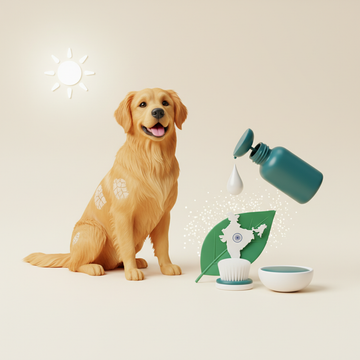
If your Golden Retriever is scratching constantly, developing flaky patches, or losing that signature glossy coat, the dryness is usually a symptom rather than the whole story. In India's climate, where humid monsoons alternate with dry, air-conditioned summers, a Golden's dense double coat is under near-constant stress. The good news for 2026: most cases respond well to a combination of gentle home care, the right diet, and knowing exactly when a problem needs a vet.
Understanding Golden Retriever Skin Problems in the Indian Climate
Golden Retrievers were bred for cool, temperate conditions, so India's heat and humidity ask a lot of their skin. The breed's water-repellent double coat, a soft insulating undercoat beneath a longer topcoat, is beautiful but efficient at trapping moisture, heat, dust, and allergens close to the skin. That trapped layer is where irritation usually begins.
Common Causes of Dry Skin in Golden Retrievers
Dry, itchy skin in Goldens rarely has a single cause. According to the Merck Veterinary Manual, the most common reasons dogs itch are parasites, infections, and allergies, and persistent scratching then damages the skin barrier further. Food sensitivities, environmental allergens such as dust mites and pollen, and flea or tick bites all rank high for Indian Goldens, while diets low in essential fatty acids leave the coat dull and the skin flaky.
Pro tip: Keep a daily log of when your Golden scratches most, after walks, meals, or in a particular room. These patterns help your vet narrow down the trigger.
How Indian Weather Affects Your Golden's Coat Health
India's weather swings are hard on a double coat. During summer, air conditioning pulls humidity out of indoor air, and moving repeatedly between a humid outdoor environment and a dry, cooled room causes rapid moisture loss from the skin, leaving it flaky and tight.
The monsoon flips the problem. Persistent dampness and high humidity create ideal conditions for bacteria and fungi, and moisture trapped in a Golden's thick undercoat after a rainy walk is a common trigger for hot spots, those angry, weepy patches that flare up almost overnight. Hard water in many Indian cities adds to the dryness, leaving mineral residue in the coat after every bath.
Signs Your Golden Retriever Needs Skin Treatment
Catching skin problems early keeps a minor niggle from turning chronic. Watch for persistent scratching, flaking, and patchy hair loss rather than the usual even, seasonal shedding, and note excessive licking or chewing at the paws, which often points to allergies or contact irritation.
Red, inflamed patches around the ears, belly, groin, and between the toes signal developing problems that deserve attention. Allergic reactions typically show up as reddening of the skin, swelling, and itching, the classic inflammatory response the Merck manual describes for canine allergies. A dull, brittle coat that has lost its shine usually reflects a compromised skin barrier or a nutritional gap.
Natural Dry Skin Treatment Options That Work
For mild to moderate dryness, home care can bring real relief, provided you match the remedy to the problem and introduce anything new slowly. None of these approaches replace veterinary care for a dog that is genuinely suffering.
Coconut Oil and Other Home Remedies
Virgin coconut oil is a popular topical soother for small dry or flaky patches. Apply a thin amount to the affected area, patch-test on a small spot first, and use it sparingly.
Colloidal oatmeal baths are one of the gentlest ways to calm itchy, inflamed skin: grind plain oats into a fine powder, mix into lukewarm water, and let your Golden soak for 10 to 15 minutes before rinsing with cool water. Pure, pet-safe aloe vera gel can cool hot spots, but avoid anything with added alcohol or fragrance. If the skin is broken, weeping, or spreading, skip the home kit and see a vet.
Dietary Changes for Better Skin Health
What goes into your Golden matters as much as what goes on the coat. The Merck Veterinary Manual lists essential fatty acids among the commonly recommended options for itchy dogs. They work from the inside to reinforce the skin barrier, which is why results build gradually over four to six weeks rather than overnight.
Look for a dog-specific omega-3 source that states its EPA and DHA content, and introduce it at a low dose before working up. Whole-food additions help too: sweet potato and carrot supply beta-carotene for vitamin A, and occasional sardines add natural omega-3s. If you suspect a food allergy, a limited-ingredient diet is worth discussing with your vet.
For a ready-made option formulated for Indian dogs, NO RUFF® combines omega-3 fatty acids with biotin and zinc to support skin and coat from within. The benefit comes from steady daily intake, not the occasional dose.
Proper Bathing Techniques for Sensitive Skin
Over-bathing is one of the most common mistakes with dry-skinned Goldens. A dog's skin relies on sebum, a natural mixture of fatty acids that keeps skin soft, moist, and pliable and gives the coat its sheen, as the Merck Veterinary Manual explains. Frequent washing strips that protective layer, so for a Golden with dry skin, once every two to three weeks with a moisturising shampoo is usually plenty.
Use lukewarm rather than hot water, wet the dense undercoat thoroughly, and work a pH-balanced canine shampoo in with your fingertips, never your nails. Human shampoos disrupt the skin's natural acid balance and make dryness worse. Rinse for at least twice as long as you lathered, then dry your Golden completely, paying attention to the undercoat, between the toes, and around the ears.
Professional Solutions for Persistent Skin Issues
Home care handles mild cases, but stubborn or severe skin problems need professional input.
When to Consult a Veterinarian
Book a vet visit if home care has not produced clear improvement within two to three weeks. Seek care sooner if you see signs of secondary infection: a foul smell, thick yellow or green discharge, or red areas that spread quickly. Open sores from constant scratching also need proper cleaning and, often, prescription treatment.
Skin trouble alongside changes in behaviour, such as reduced appetite, lethargy, or low mood, can point to an underlying issue like a thyroid or immune problem and warrants a full check-up. If flares track closely with a season or a specific environment, ask your vet about allergy testing.
Vet-Approved Supplements and Topical Treatments
Veterinary treatment usually layers several tools. The Merck Veterinary Manual notes that topical care for skin disorders can include medicated shampoos, antibiotic or corticosteroid preparations, and antiparasitic treatments, each requiring correct dosing and follow-up.
For allergic dogs, the Merck manual describes a combined approach: avoiding the offending allergen where possible, controlling the itch, improving coat hygiene through bathing, managing flare factors such as fleas and secondary infections, and, in some cases, immunotherapy. Prescription supplements can offer higher, tested concentrations of active ingredients than over-the-counter products.
Building a Long-term Skin Care Routine
Lasting skin health comes from consistent maintenance, not reactive fire-fighting. Set a weekly grooming routine that brushes out dead undercoat and spreads natural oils along the hair, and use that time as a skin check: spotting a new hot spot, lump, or change in coat texture early lets you act before it escalates. Keep simple notes on baths, diet changes, and flare-ups so your vet can see patterns across visits.
Preventing Dry Skin in Golden Retrievers
Prevention is far cheaper and kinder than treating an established problem, so tailor your approach to your Golden's needs and India's seasonal extremes.
Essential Nutrients for a Healthy Coat
Good nutrition is the foundation of good skin. Beyond omega-3 fatty acids, vitamin A supports skin cell renewal, vitamin E acts as an antioxidant that protects skin cells from environmental damage, and adequate zinc guards against the dry, flaky skin seen in deficiency. A complete, good-quality diet usually covers these, but dogs with digestive issues may need targeted supplementation under veterinary guidance.
Environmental Factors to Control at Home
Your home has a real effect on your Golden's coat. In dry, air-conditioned months, a humidifier in the room where your dog spends most time helps keep skin from drying out, and HEPA air filtration cuts down dust mites and pollen that drive allergic flares. Wash your Golden's bedding weekly in hot water with a fragrance-free detergent, and in hard-water areas, a final rinse with filtered water after bathing reduces mineral residue.
Seasonal Care Tips for Indian Pet Parents
India's seasons each demand a slightly different routine. During the monsoon, dry your Golden thoroughly after every walk, focusing on the spaces between the toes, under the tail, and around the ears where dampness collects and fungi thrive. Summer calls for constant fresh water, shade, and walks scheduled away from peak heat. In the drier winter months, moisturise exposed areas like paw pads and keep omega-3 intake steady. Adjusting care with the season, while keeping the core diet and grooming consistent, is what keeps a Golden comfortable year-round.
Frequently Asked Questions
What are the most effective home remedies for Golden Retriever dry skin in India?
A thin layer of virgin coconut oil on small dry patches and colloidal oatmeal baths are the gentlest, most reliable home measures for mild dryness. Always patch-test first, keep amounts small, and see your vet if the skin does not improve within two to three weeks or shows signs of infection.
How often should I bathe my Golden Retriever with dry skin?
For a dry-skinned Golden, once every two to three weeks with a moisturising, pH-balanced dog shampoo is usually enough. Frequent bathing strips the natural sebum that keeps skin soft and pliable, so between baths use grooming wipes or brushing for spot cleaning.
Can dietary changes alone fix my Golden's skin problems?
Nutrition makes a big difference, but it works best as part of a broader plan. Adding an omega-3 source and removing suspected food allergens often produces noticeable improvement over four to six weeks when combined with proper bathing and, where needed, veterinary treatment.
When should I worry about my Golden's scratching and see a vet?
Seek help if scratching continues despite home care for two to three weeks, if you notice odour, discharge, or spreading redness, or if your dog has broken the skin. Early intervention prevents secondary infections and chronic disease.
How does the monsoon affect Golden Retriever skin health?
High humidity and persistent dampness create ideal conditions for bacterial and fungal growth, and moisture trapped in the undercoat commonly triggers hot spots. Thorough drying after every outdoor outing and clean, dry bedding are the best defences.
Are there specific supplements recommended for Golden Retrievers in India?
Look for a dog-specific formula that combines omega-3 fatty acids with skin cofactors such as biotin and zinc, and that states its EPA and DHA content. Products formulated for Indian conditions account for local climate and quality standards. Introduce any new supplement gradually and check with your vet if your dog has existing health issues.
What's the difference between normal shedding and skin-related hair loss?
Normal shedding is even across the coat and rises with seasonal change. Skin-related hair loss appears in patches, usually alongside scratching, redness, or bald spots, and needs veterinary evaluation to find the underlying cause.
Conclusion
Managing dry skin in a Golden Retriever in India comes down to reading your dog's needs against the local climate. A steady combination of gentle home care, an omega-3-rich diet, sensible bathing, environmental control, and timely veterinary help gives the most complete protection. Most approaches take four to six weeks to show real change, so consistency matters more than any single product. Watch your Golden closely, adjust as you learn what works, and lean on your vet for anything that persists or worsens.


